-
 Peking Chinese, China. Early 1900's This beautiful antique Chinese Peking rug from 1900 features a flowing oversized design on a creamy ivory background. Its borders include a simple dotted guard, a running dog (Greek key) pattern, an elegant Wan design in varying blues, and a solid navy blue frame, creating a harmonious artistic balance. The vines in shades of blue contrast beautifully with the cream field, while subtle floral blossoms in light brown add texture and sophistication. With its calming blue and neutral palette and large-scale design, this rug effortlessly enhances any interior, elevating home décor with timeless elegance and refined beauty.
 -
 Fine Kashan, Iran. Signed by Eshragie. Early 1950's The Kashan Eshragie rug is a stunning antique Persian carpet distinguished by its rich wine-colored background that adds warmth and luxury to any space. This deep, vibrant hue beautifully contrasts with its bold blue border, which frames the intricate central design with elegance. The rug features detailed floral and vine motifs, showcasing exquisite craftsmanship and classic Persian artistry. The interplay between the wine red field and the cool blue border creates a dynamic yet harmonious aesthetic. Known for its durability and refined patterns, the Kashan Eshragie is a timeless piece that enhances interiors with its rich color palette and sophisticated design.
 -
 Isfahan, Iran. 1940's The 1930 Isfahan Persian rug showcases a stunning blue field that serves as a vibrant backdrop for intricate floral and medallion motifs, reflecting exquisite craftsmanship. Its rich red border elegantly frames the design, creating a striking contrast that enhances the rug’s visual appeal. Known for fine knotting and detailed artistry, Isfahan rugs often incorporate delicate patterns inspired by nature and Persian tradition. The combination of the deep blue center and bold red border gives this antique rug a timeless sophistication, making it a treasured piece that adds elegance and warmth to any interior setting.
 -
 Fine Silk Tabriz, Iran. Late 1800's This exquisite fine silk Tabriz rug, crafted in the distinguished Jordi design, is a true testament to Persian weaving mastery. Featuring a serene crème background, the rug’s delicate silk fibers highlight its intricate floral motifs and elegant mihrab design , creating an atmosphere of timeless luxury. The detailed borders and symmetrical patterns demonstrate impeccable craftsmanship and artistic precision. Adding to its prestige, this masterpiece proudly carries the signature of the master weaver, ensuring authenticity and exceptional provenance. Ideal for discerning collectors and refined interiors, this silk Tabriz embodies both tradition and sophistication, offering a glimpse into the rich heritage of Persian artistry
 -
 Silk based Isfahan, Iran. Signed by Seirafian . 1950's Seirafian Isfahan carpets are made in the historic city of Isfahan by the renowned Seirafian family, who have long been celebrated as master weavers of Persian rugs. These exquisite carpets are admired worldwide for their exceptional quality, intricate designs, and unmatched craftsmanship. Each Seirafian carpet is woven with the finest silk or wool, featuring delicate floral motifs, arabesques, and medallions that reflect centuries of Persian artistic tradition. The Seirafian family’s dedication to preserving classic techniques while incorporating their signature style ensures that every carpet is not only a functional floor covering but also a timeless piece of collectible art.
 -
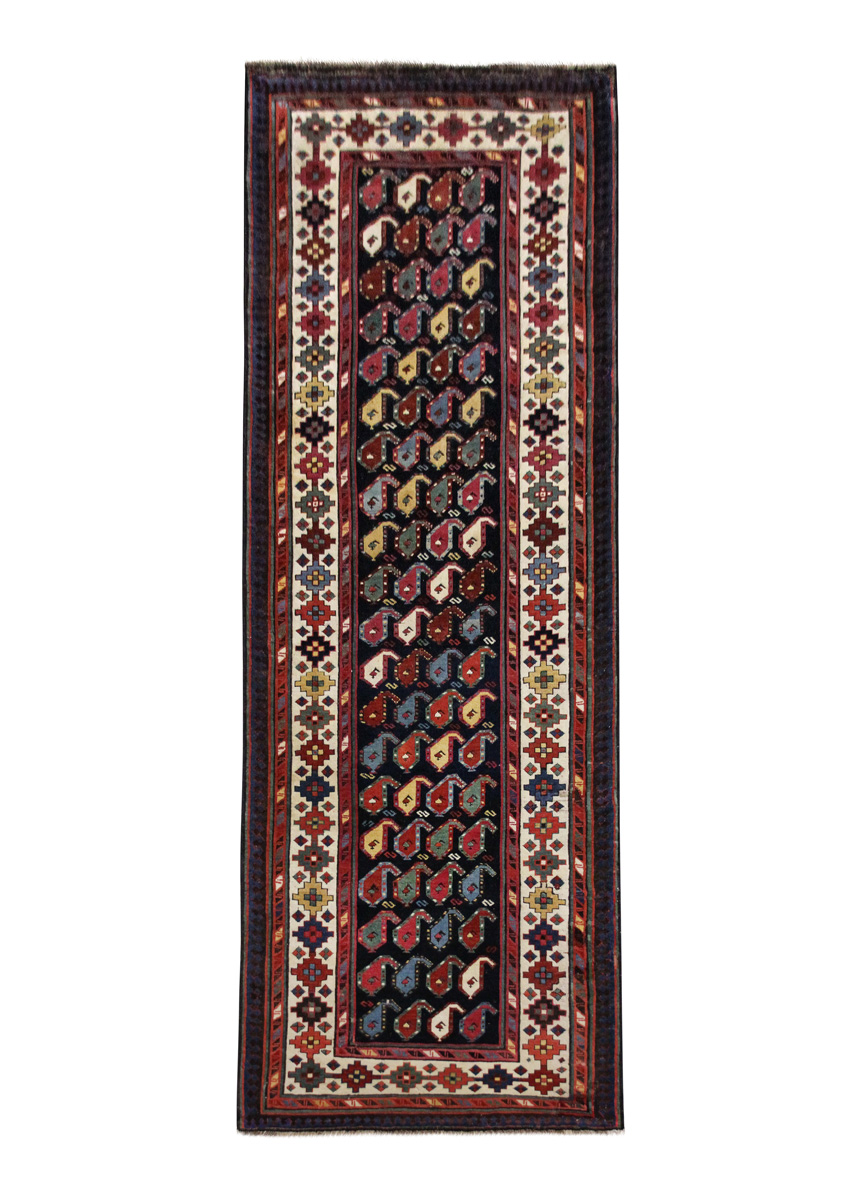 Talishe Kuba, South Caucasus, Russia. 1860's An antique Talish Kuba rug is a rare and exquisite example of Caucasian weaving tradition, originating from the Talish region near the Caspian Sea. These rugs are distinguished by their rich, earthy color palette, often featuring deep reds, browns, and blues. The intricate geometric patterns and bold parsley designs reflect tribal artistry combined with influences from Persian and Caucasian motifs. Crafted with high-quality wool and natural dyes, the Talish Kuba rug offers both durability and aesthetic beauty. Its unique design and historical significance make it a cherished collector’s piece, embodying the cultural heritage and skilled craftsmanship of the Talish weavers.
 -
 Varamin, Iran. 1920's An antique Varamin woolen carpet featuring the Mina Khani design is a timeless piece of Persian artistry. Handwoven in the Varamin region, this carpet showcases intricate floral motifs arranged in repeating, interconnected patterns symbolizing fertility and growth. Crafted from high-quality wool, it offers a soft yet durable texture with rich, natural dyes enhancing its warm, earthy tones. The Mina Khani design, characterized by delicate flowers and vine elements, creates a harmonious and elegant visual flow. This antique carpet not only reflects the cultural heritage of Varamin but also serves as a stunning decorative piece blending tradition with enduring beauty
 -
 Bakhtiyar, Iran. 1930's A Bakhtiyar Persian rug is a striking example of traditional tribal weaving from the Bakhtiyar nomads of western Iran. Known for its bold geometric patterns and rich, vibrant colors, these rugs often feature large medallions and repetitive motifs symbolizing nature and protection. Handwoven from high-quality wool, Bakhtiyar rugs are durable and soft, reflecting skilled craftsmanship passed down through generations. Their deep reds, blues, and ivory hues create a warm, inviting atmosphere. This unique blend of tribal heritage and artistic design makes Bakhtiyar rugs highly sought after by collectors and interior enthusiasts alike, embodying both cultural richness and timeless beauty
 -
 Sarouq, Iran. 1950's A Sarouq Persian rug with a cream background and border is a classic example of fine Persian craftsmanship. Originating from the Sarouq region, these rugs are renowned for their delicate floral and vine motifs, gracefully arranged across the soft cream field. The matching cream border frames the design with elegant curvilinear patterns, enhancing the rug’s subtle sophistication. Woven from high-quality wool, Sarouq rugs offer a plush texture and durability. Their light, neutral palette makes them versatile for various interiors, while the intricate detailing reflects centuries of artistic tradition. This rug combines timeless beauty with refined elegance, perfect for any refined space.
 -
 Vase Tabriz, Iran 1930's This Vase Tabriz rug showcases a rich red background that serves as a striking canvas for its intricate design. At the center, a beautifully detailed vase motif symbolizes abundance and elegance, surrounded by delicate floral and vine patterns that weave gracefully across the field. The rust-colored border frames the rug with warmth and depth, enhancing the vibrant red while grounding the overall composition. Handwoven with precision, this rug reflects the masterful artistry typical of Tabriz craftsmanship. Its harmonious blend of bold colors and classic motifs makes it a timeless piece, perfect for adding a touch of sophistication and cultural heritage to any room.
 -
 Javan Tabriz, Iran. 1950's Javan Tabriz carpets originate from the Tabriz region in northwestern Iran and are linked to the master weaver Javan Amir-Khis, also known as Javan Vahed. These rugs are celebrated for their superior craftsmanship and quality, often bearing the signature of Javan Amir-Khis, which confirms their authenticity. The city of Tabriz has a rich history of producing fine carpets, and Javan’s workshop is renowned for intricate designs, precise knotting, and the use of high-quality wool on cotton foundations. Typically, these rugs feature traditional all-over floral patterns, making them highly prized by collectors and enthusiasts.
 -
 Bedjar, Iran. 1930's Gol Farang Bedjar is a stunning antique rug woven in 1930, showcasing exquisite craftsmanship from its era. This rare piece features intricate patterns and rich, harmonious colors that reflect traditional weaving techniques. Its detailed motifs and durable wool construction highlight the artisan’s skill and cultural heritage. Perfectly aged with a soft patina, the rug adds timeless elegance and historical charm to any space. Ideal for collectors and enthusiasts, the Gol Farang Bedjar represents a valuable example of early 20th-century textile art, blending beauty, history, and functionality into a single masterpiece.
 -
 Tabriz This antique Persian Tabriz rug, circa 1920, features a classic ivory room-size design showcasing masterful craftsmanship. Its creamy beige backdrop highlights fall colours like salmon, mauve, blue, rusty red, pink, and green, creating a refined, romantic palette. Intricate floral patterns and strong flowing lines evoke movement and whimsy, contrasted strikingly by deep black interior elements. The formal floral motifs reflect the historic court carpets of Tabriz, renowned for their quality and elegance. This finely woven rug embodies the tradition of excellence in Tabriz weaving, once favored by sultans and palaces, offering timeless beauty and sophistication.
 -
 Sarouq, Iran. 1920's A fine antique Sarouq rug featuring the classic Herati design is a stunning example of Persian craftsmanship. Originating from the Sarouq region of Iran, this rug displays a dense, intricate pattern of repeating Herati motifs—diamond-shaped medallions enclosing a rosette surrounded by curving leaves—set against a rich, deep background. Woven with high-quality wool and a tight knot count, the rug boasts vibrant colors like deep reds, blues, and ivory accents. Its balanced composition and meticulous detail create a harmonious, elegant look. Celebrated for durability and beauty, Sarouq Herati rugs remain highly prized by collectors and enthusiasts worldwide.
 -
 Kuba, South Caucasus, Russia. Early 1900's This exquisite 18th-century antique rug hails from the Kuba region of the Caucasus, renowned for its masterful weaving and intricate artistry. Known for finely woven, detailed designs often on a smaller scale, Kuba rugs are prized by collectors. This piece showcases a rich blend of cultural symbolism and artistic skill. Its central field features interconnected floral and geometric motifs in indigo, rust red, gold, and ivory, all softened by time and natural dyes. The floral designs symbolize fertility and prosperity, while the geometric shapes reflect harmony and balance, capturing the spiritual and natural heritage of the weavers.
 -

 Fine Tabriz, Garden design. Iran An extremely fine woolen Garden Tabriz carpet exemplifies the pinnacle of Persian weaving artistry. Originating from Tabriz, this exquisite rug features a lush garden-inspired design filled with delicate floral motifs, vines, and elegant medallions, symbolizing paradise. Woven with exceptionally fine wool and a high knot density, it offers remarkable detail and a soft, luxurious texture. The rich, harmonious colour palette—often including deep reds, blues, ivories, and greens—enhances the intricate patterns. This carpet combines durability with refined beauty, making it a treasured piece for collectors and admirers of classic Persian craftsmanship and timeless elegance.
WE OFFER WORLDWIDE SHIPPING


OPERATING HOURS
Monday – Friday: 8:00am – 5:00pm
View by appointment
CONTACT US
Tel: +27 (11) 783 0701
Tel: +27 (11) 783 0706
Cell: +27 83 457 7458
Terms and Conditions
ADDRESS
7 Marion Street, Sandown,
Sandton, 2031, Johannesburg

© Copyright 2012 - 2026| Persian House International | All Rights Reserved | Powered by Yip Digital