-
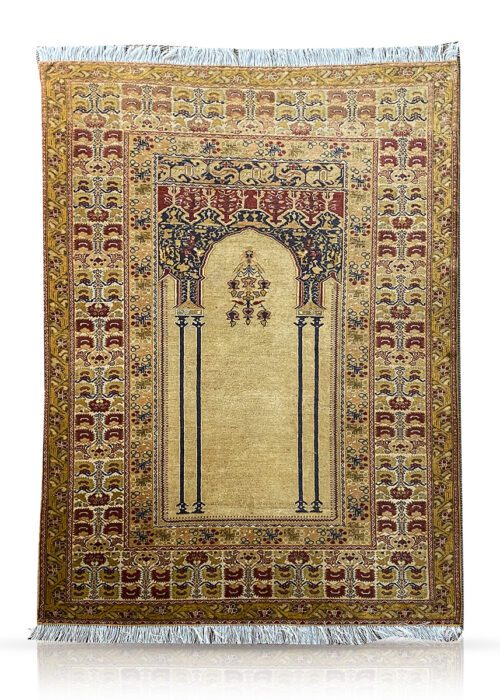 Turkish Panderna, early 1900's This rare and collectible Panderma Prayer Rug is a stunning example of antique Anatolian craftsmanship. Woven in the late 19th century in western Anatolia, Turkey, it features vibrant, naturally saturated vegetable dyes. The rug showcases traditional design motifs characteristic of the Balikesir region, making it a beautiful and authentic piece of Turkish heritage and wall décor.
 -
 Malayer, Iran. Mid 1900’s This antique Malayer rug features a striking light blue diamond-shaped medallion set against a richly patterned field. Handwoven with natural dyes and fine wool, it combines durability with artistic charm, making it a unique and elegant example of Persian village weaving. Circa 1920
 -
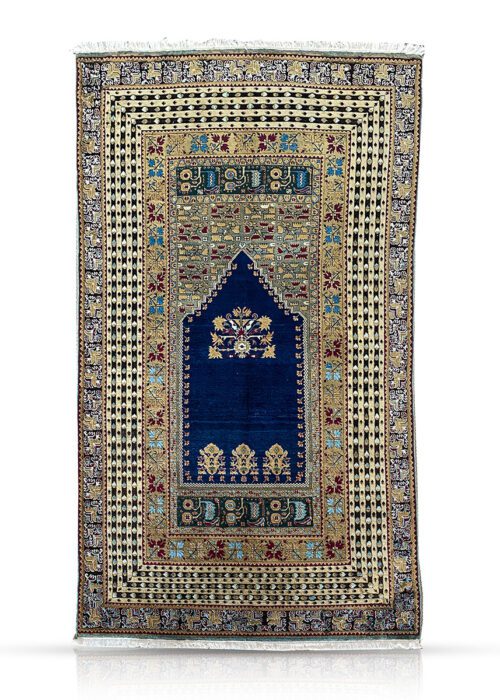 Agra, India. Early 1900’s This Agra rug showcases the elegant Jordi pattern with its intricate floral lattice and flowing vine motifs. Handwoven with fine wool and natural dyes in rich reds, blues, and creams, it embodies the refined Indo-Persian tradition, offering both beauty and lasting durability.
 -
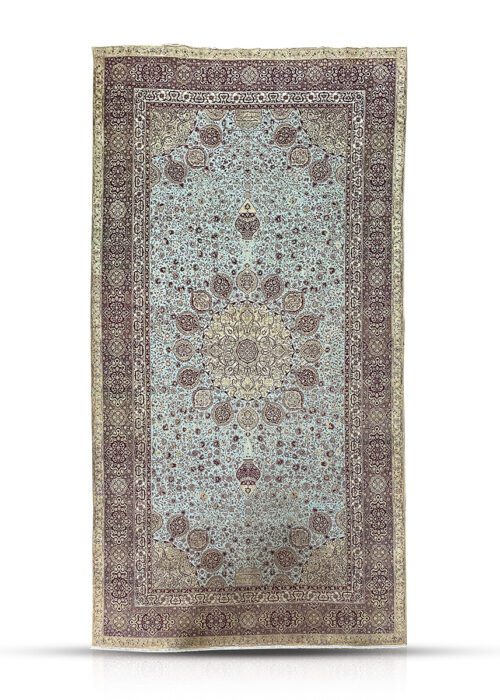 Agra, India. Early 1900’s This Agra Jail carpet showcases the famous Ardabil design with a grand medallion, arabesques, and floral borders. Woven in colonial India’s prison workshops with fine wool and natural dyes, it blends Persian inspiration with Indian craftsmanship, offering a rare and highly collectible masterpiece. Circa 1900
 -
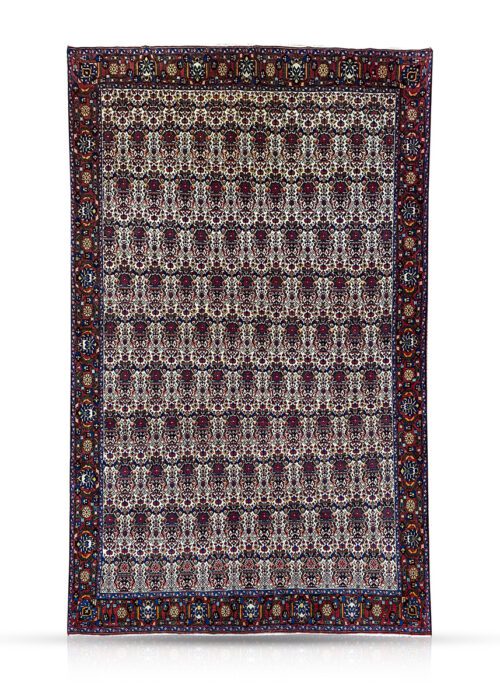 Abadeh Zil-e-Sultan, Iran. 1940’s This Abadeh Zil-e-Sultan rug features an intricate all-over floral and vine pattern, echoing the refined 19th-century Persian style. Handwoven with durable wool and natural dyes in warm reds and soft blues, it combines elegance and strength, making it a timeless decorative piece. Circa 1960
 -
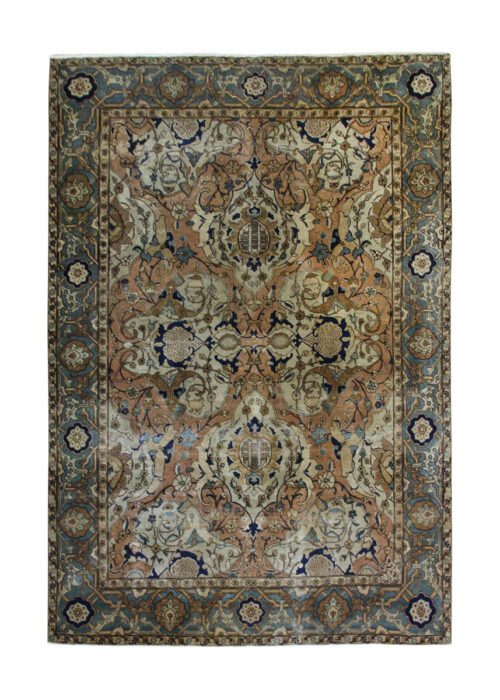 Fine Tabriz, Iran. 1950's
 -
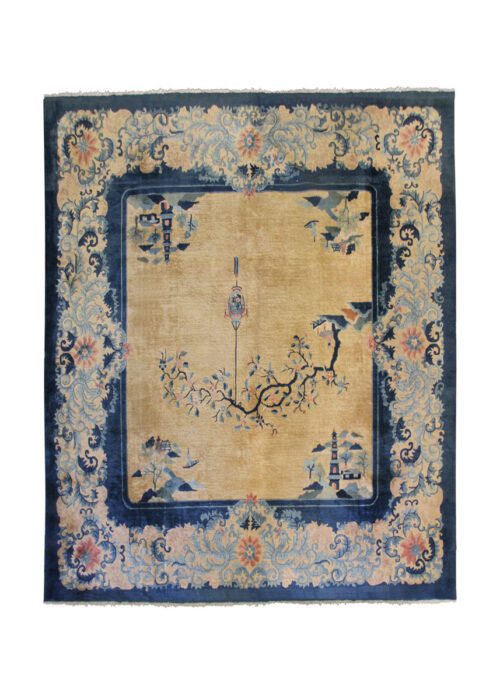 Art Deco Chinese. 1930's
 -
 Kis Ghiordes, Turkey. 1920's Ghiordes (modern-day Gördes), a town 180 km from Smyrna, was a major carpet production center during the Ottoman Empire and gave its name to the Turkish or symmetrical knot known as the Ghiordes knot. The Kis Ghiordes carpet presented here, dating to the late 19th century and in excellent condition, measures 2.20 x 1.34 meters with a knot density of around 120,000 knots per square meter, using 100% wool for the pile, weft, and warp. These “Kis-Ghiordes” or “bride’s carpets” were traditionally woven by young girls as part of their dowry before marriage.
 -
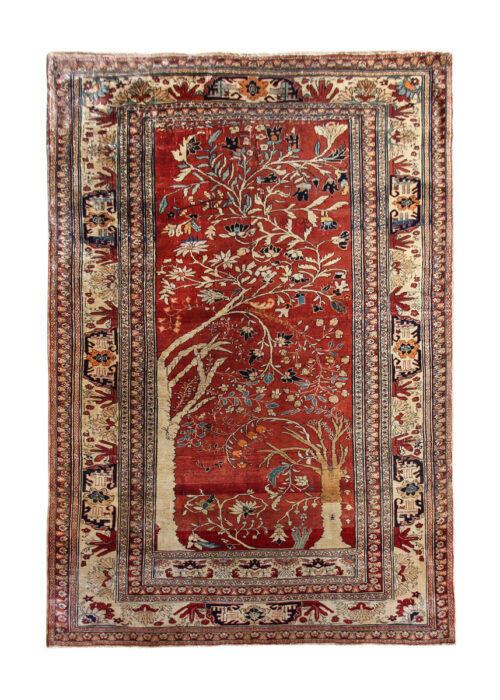 Rare Fine Silk Heriz, Iran 1850's This exquisite antique Persian Heriz silk rug, dating to around 1850, is a superb example of the master craftsmanship for which Heriz became famous. Woven entirely from silk, its rich luster, vivid colors, and sharp, detailed motifs showcase a remarkably high knot count and skillful artistry. The fine pile is cut close to highlight the crisp design, and the balanced field layout demonstrates the weaver’s exceptional precision. Silk’s unique sheen and softness add to its allure, making this rug not only visually stunning but also luxurious to touch. A true masterpiece, it is a prized find for serious collectors.
 -
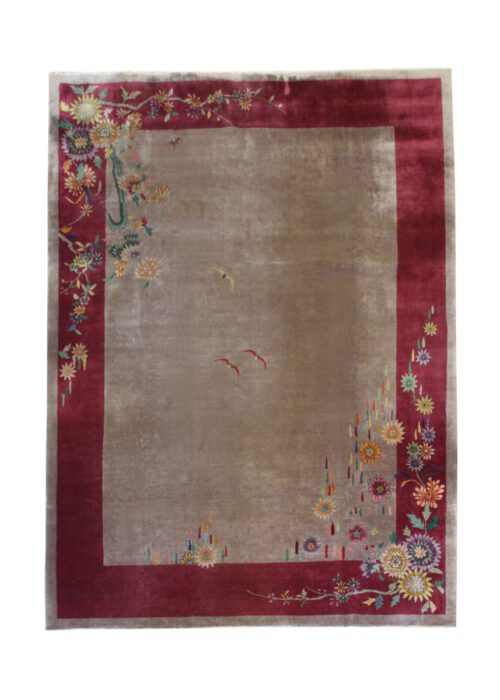 Harvey Nichol, Chinese. 1960's This is an extraordinary and unique antique Art Deco rug, renowned for its exceptional quality and unusually rare colour palette. It features remarkable design elements, showcasing an eye-catching combination of botanical and floral motifs. Rugs of this caliber are highly sought after and seldom found.
 -
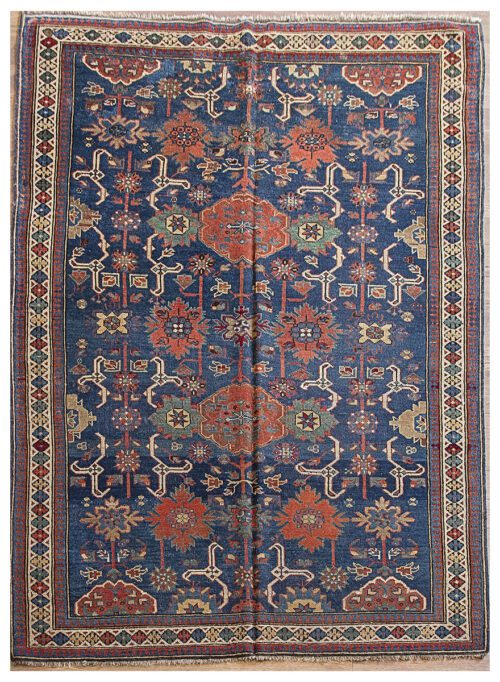 Kuba, South Caucasus, Russia. Early 1900's This exquisite 18th-century antique rug hails from the Kuba region of the Caucasus, renowned for its masterful weaving and intricate artistry. Known for finely woven, detailed designs often on a smaller scale, Kuba rugs are prized by collectors. This piece showcases a rich blend of cultural symbolism and artistic skill. Its central field features interconnected floral and geometric motifs in indigo, rust red, gold, and ivory, all softened by time and natural dyes. The floral designs symbolize fertility and prosperity, while the geometric shapes reflect harmony and balance, capturing the spiritual and natural heritage of the weavers.
 -
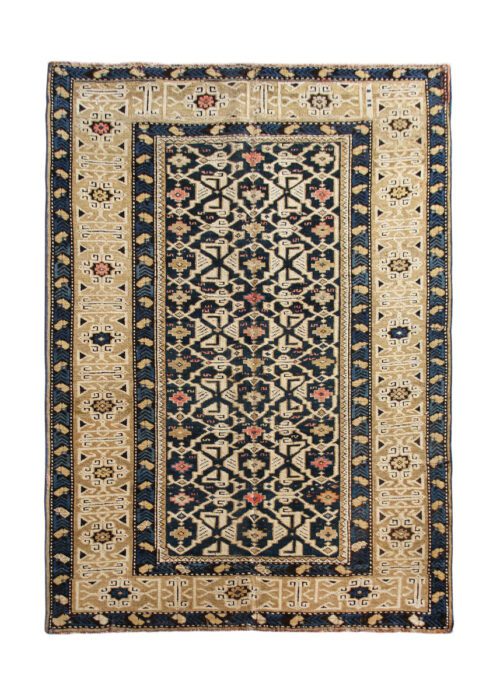 Kounakat Kuba, South Caucasus, Russia. Early 1900's This antique Kounakat Kuba carpet, dating from circa 1910, is a striking example of Caucasian weaving artistry. Featuring a rich palette of dark blue, light blue, and cream, the rug displays intricate geometric patterns typical of Kuba designs. The harmonious blend of deep and soft blues contrasts beautifully with the cream accents, highlighting the detailed motifs and craftsmanship. Woven with precision, this piece reflects the cultural heritage and traditional techniques of the region. Its timeless design and natural dyes have aged gracefully, making it a highly desirable collector’s item and a stunning addition to any space.
 -
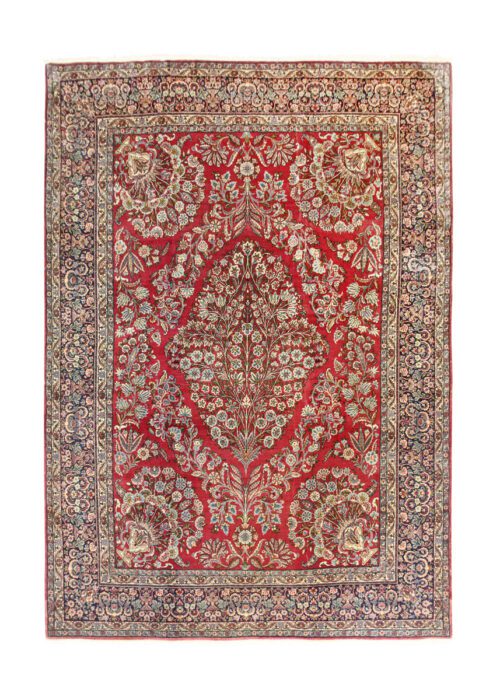 Kerman, Iran. 1960's This exquisite Kerman Persian rug, woven in 1960, features a stunning pink background that beautifully highlights its intricate design. Renowned for exceptional craftsmanship, Kerman rugs showcase delicate floral motifs and elegant medallions, expertly hand-knotted with fine wool and silk threads. The soft pink base adds a unique charm and warmth, contrasting gracefully with detailed patterns in blues, creams, and golds. This vintage rug reflects both artistic tradition and timeless elegance, making it a prized addition to any collection or interior. Its vibrant yet harmonious color palette and meticulous weaving embody the rich heritage of Persian rug artistry.
 -
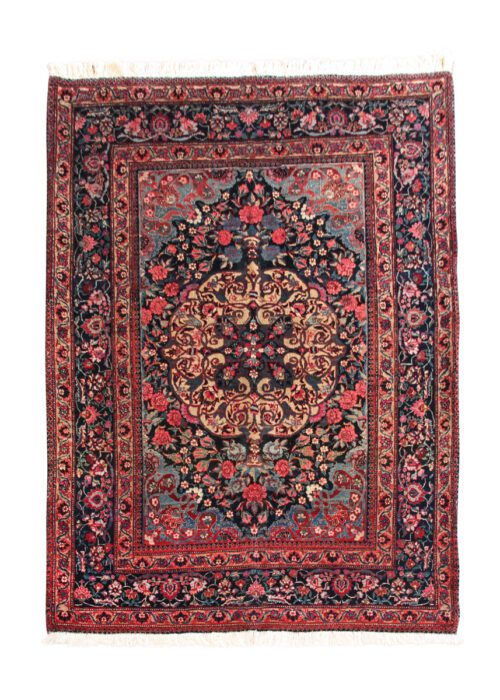 Gol Farhang, Bedjar, Iran. 1930's The Gol Farang Bedjar is a stunning antique rug woven in 1930, showcasing exquisite craftsmanship from its era. This rare piece features intricate patterns and rich, harmonious colors that reflect traditional weaving techniques. Its detailed motifs and durable wool construction highlight the artisan’s skill and cultural heritage. Perfectly aged with a soft patina, the rug adds timeless elegance and historical charm to any space. Ideal for collectors and enthusiasts, the Gol Farang Bedjar represents a valuable example of early 20th-century textile art, blending beauty, history, and functionality into a single masterpiece
 -
 Fine Agra, India. Early 1900's This vintage Agra rug beautifully exemplifies traditional Indian weaving craftsmanship. It showcases detailed floral and geometric designs, bordered elegantly to highlight its intricate artistry. The soft cream, beige, blue, and subtle brick tones create a calm and timeless ambiance. Woven from wool, the rug combines durability with a textured feel, balancing practicality and elegance. Its classic patterns and gentle colors bring a refined touch to any room. Perfect for adding cultural depth and sophistication, this rug is a stunning piece that enhances both the style and atmosphere of any space.
 -
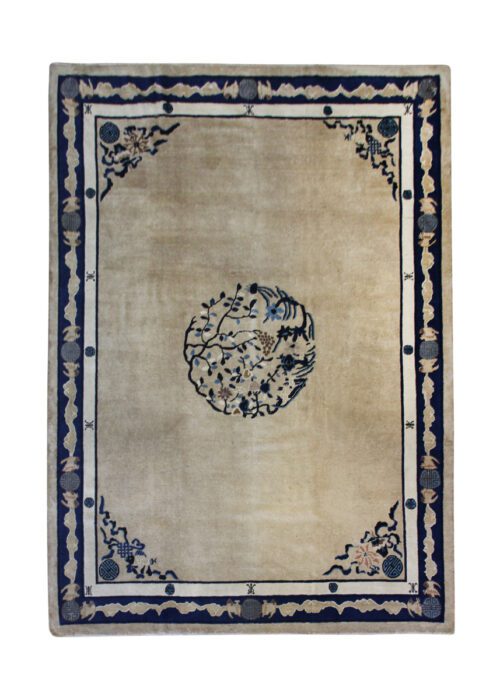 Peking Chinese, China. Early 1900's This beautiful antique Chinese Peking rug from 1900 features a flowing oversized design on a creamy ivory background. Its borders include a simple dotted guard, a running dog (Greek key) pattern, an elegant Wan design in varying blues, and a solid navy blue frame, creating a harmonious artistic balance. The vines in shades of blue contrast beautifully with the cream field, while subtle floral blossoms in light brown add texture and sophistication. With its calming blue and neutral palette and large-scale design, this rug effortlessly enhances any interior, elevating home décor with timeless elegance and refined beauty.
WE OFFER WORLDWIDE SHIPPING



OPERATING HOURS
Monday – Friday: 8:00am – 5:00pm
View by appointment
CONTACT US
Tel: +27 (11) 783 0701
Tel: +27 (11) 783 0706
Cell: +27 83 457 7458
Terms and Conditions
ADDRESS
7 Marion Street, Sandown,
Sandton, 2031, Johannesburg

© Copyright 2012 - 2026| Persian House International | All Rights Reserved | Powered by Yip Digital