-
 Kerman, Iran. 1940's This antique Kerman rug radiates elegance with its soft cream-colored background, a hallmark of the refined Persian weaving tradition from Kerman. The light field provides a serene canvas for intricate floral sprays, scrolling vines, and arabesque motifs, often accented by delicate blues, soft reds, and subtle greens.
 -
 Fine Qazvin, Iran. 1940's This fine Qazvin rug is a superb example of Persian artistry, featuring a deep wine-coloured background that lends richness and warmth to its design. Instead of a central medallion, the rug displays an intricate all-over pattern of floral sprays, scrolling vines, and palmettes, woven with meticulous detail. The interplay of soft ivory, blues, and subtle greens against the dark field creates striking contrast and harmony.
 -
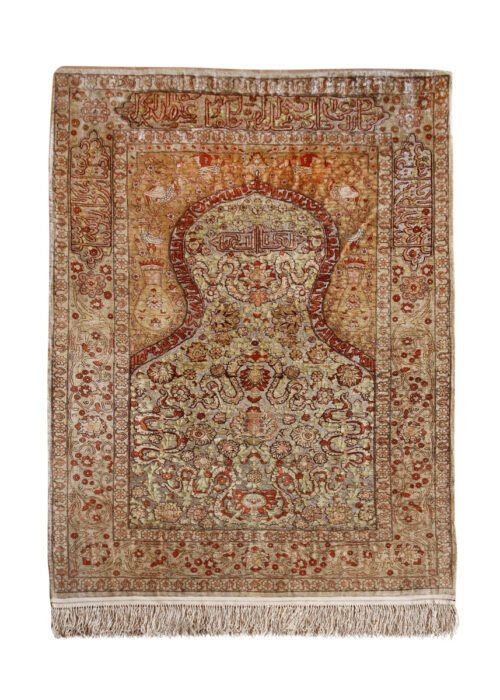 Silk Hereke, Turkey. 1960's This exquisite Silk Hereke rug exemplifies the pinnacle of Ottoman weaving, crafted entirely from fine silk and highlighted with shimmering metal threads. The central mihrab design, symbolizing a prayer niche, is intricately rendered with floral motifs, arabesques, and delicate scrolling vines, reflecting both artistry and spiritual meaning.
 -
 Sarab, Iran. 1900's This antique Sarab rug, woven in northwestern Persia, reflects the rustic charm and durability for which Sarab weavings are renowned. Traditionally crafted in long runner formats, this piece features earthy, camo-like colours—muted greens, soft browns, deep blues, and warm beiges—that harmonize beautifully to create a natural, grounded look.
 -
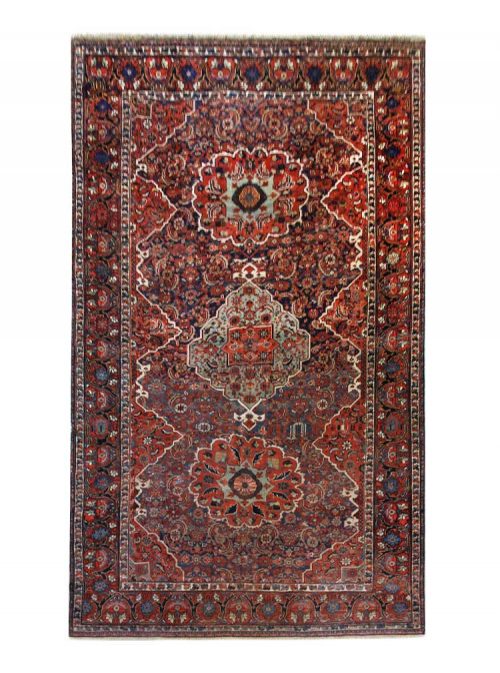 Quashkouli This antique Quashkouli rug, woven by the Qashqai sub-tribe in southern Persia, reflects the finesse and artistry of nomadic craftsmanship. Known for their superior quality among Qashqai weavings, Quashkouli rugs often feature finely detailed diamond medallions or repeating geometric motifs, surrounded by richly decorated borders. Circa 1900
 -
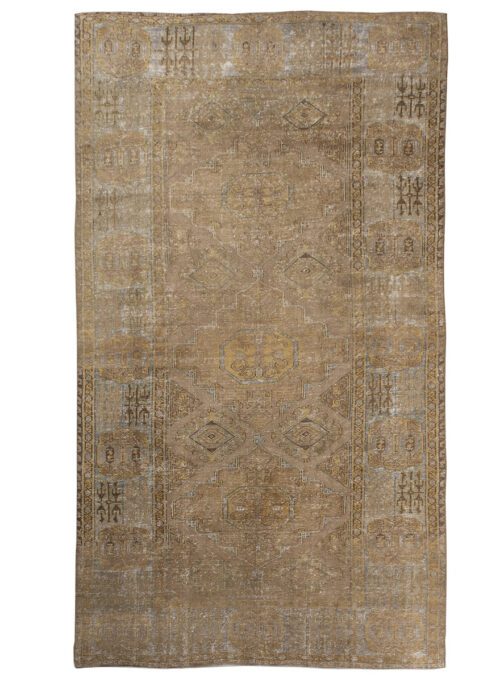 Azerbaijan Kilim, Azerbaijan. 1950's This Azerbaijan Soumak Kilim is a fine example of the flatweave tradition from the Caucasus, celebrated for its strength, artistry, and cultural depth. Woven using the soumak technique, the surface features an embroidered texture with crisp, raised patterns that stand out against the flat ground.
 -
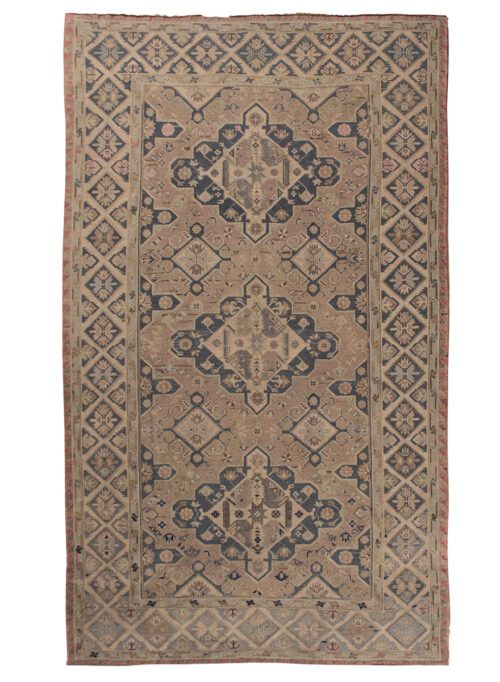 Azerbaijan Kilim, Azerbaijan. 1950's This Azerbaijan Soumak Kilim is a fine example of the flatweave tradition from the Caucasus, celebrated for its strength, artistry, and cultural depth. Woven using the soumak technique, the surface features an embroidered texture with crisp, raised patterns that stand out against the flat ground.
 -
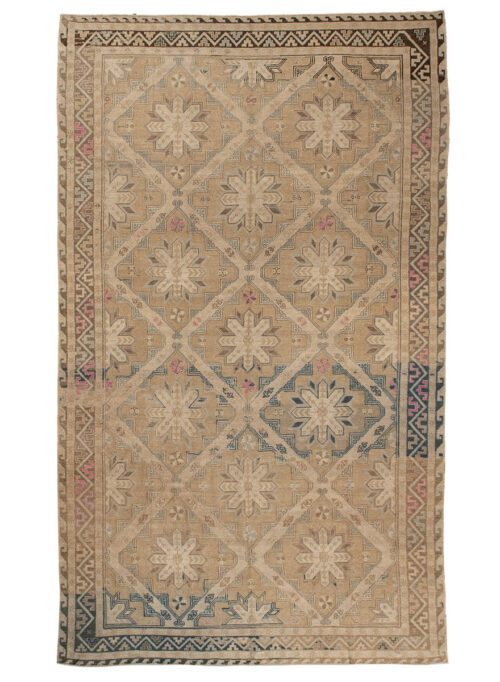 Azerbaijan Kilim, Azerbaijan. 1950's This Azerbaijan Soumak Kilim is a fine example of the flatweave tradition from the Caucasus, celebrated for its strength, artistry, and cultural depth. Woven using the soumak technique, the surface features an embroidered texture with crisp, raised patterns that stand out against the flat ground.
 -
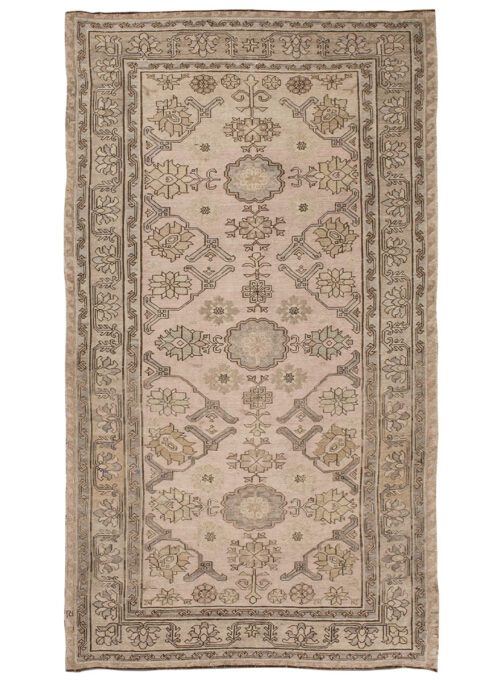 Azerbaijan Kilim, Azerbaijan. 1950's This Azerbaijan Soumak Kilim is a fine example of the flatweave tradition from the Caucasus, celebrated for its strength, artistry, and cultural depth. Woven using the soumak technique, the surface features an embroidered texture with crisp, raised patterns that stand out against the flat ground.
 -
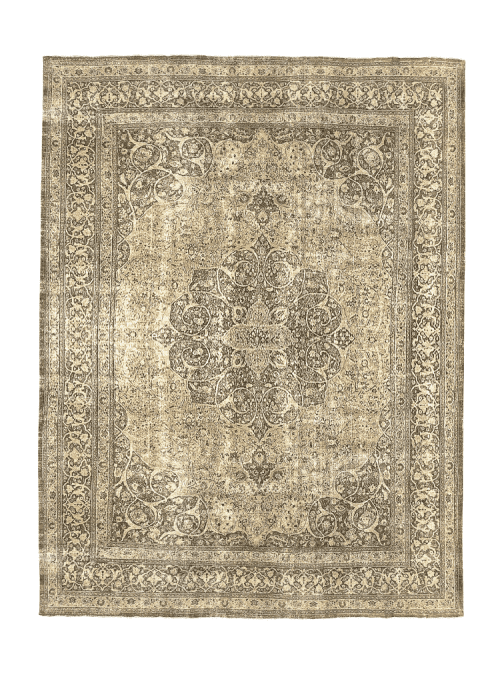 Haji Jalil This antique Haji Jalili Tabriz rug represents the height of Persian weaving from the late 19th century, crafted by the renowned master weaver Haji Jalili. Celebrated for their refinement, these rugs often feature delicate all-over patterns or intricately drawn central medallions framed by lush floral arabesques.
 -
 Heriz, Iran. 1900's This antique Heriz rug, woven in northwest Persia, is celebrated for its bold design and enduring strength. Characterized by a large central medallion with angular geometry, the field is often filled with stylized floral motifs and tribal symbols, all framed by striking borders.
 -
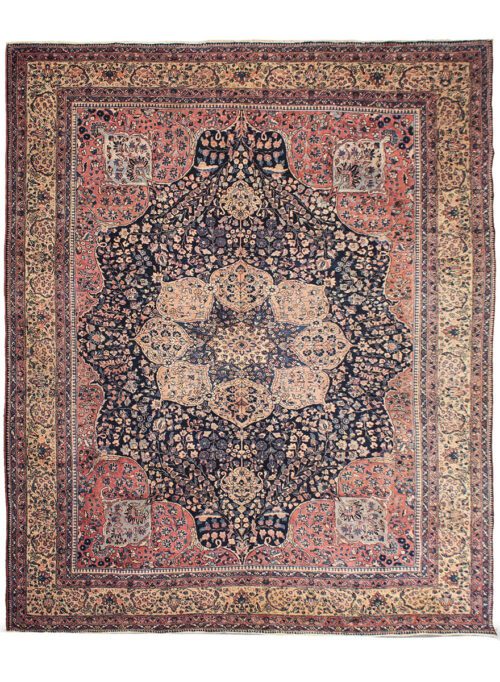 Khorassan, Iran. 1900's This antique Khorassan rug, woven in northeastern Persia, reflects the region’s centuries-old reputation for producing some of the most elegant and finely crafted carpets. Distinguished by their delicate drawing and refined palettes, Khorassan rugs often feature intricate all-over floral designs, arabesques, or medallions, balanced with graceful borders.
 -
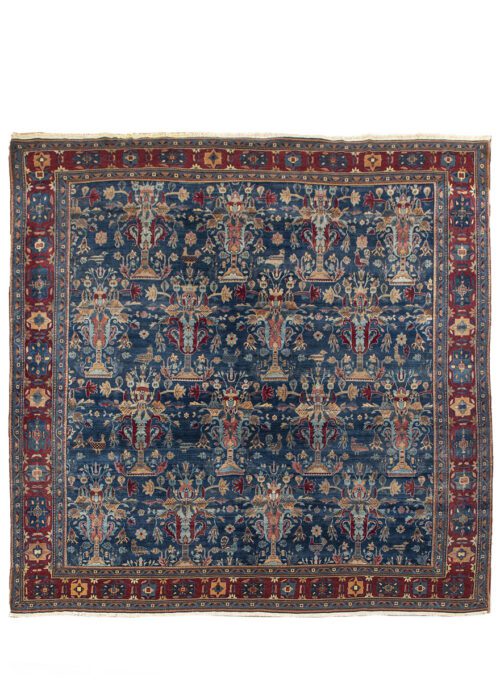 Fine Qazvin, Iran. 1900's This fine Qazvin rug exemplifies the elegance and precision of Persian weaving, distinguished by its intricate all-over pattern. Instead of a single medallion, the entire field is covered with continuous floral motifs, scrolling vines, and arabesques that create a sense of endless movement and balance. The design showcases the weaver’s mastery, with each detail rendered in remarkable clarity through a high knot density
 -
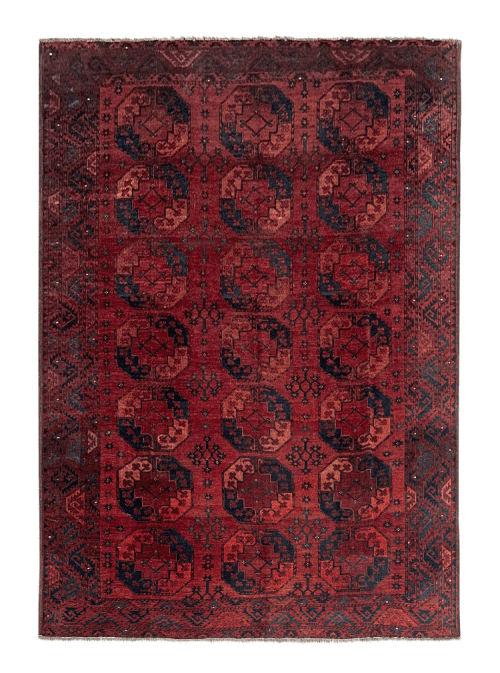 Easari Afghan This Easari Afghan rug showcases bold tribal artistry with its strong geometric patterns and deep, earthy tones of red, indigo, and brown. Handwoven from durable wool, it reflects Afghanistan’s nomadic weaving tradition, offering both cultural character and timeless strength—ideal for collectors or interior statement pieces.
 -
 Malayer, Iran. Mid 1900’s This antique Malayer rug features a striking light blue diamond-shaped medallion set against a richly patterned field. Handwoven with natural dyes and fine wool, it combines durability with artistic charm, making it a unique and elegant example of Persian village weaving. Circa 1920
 -
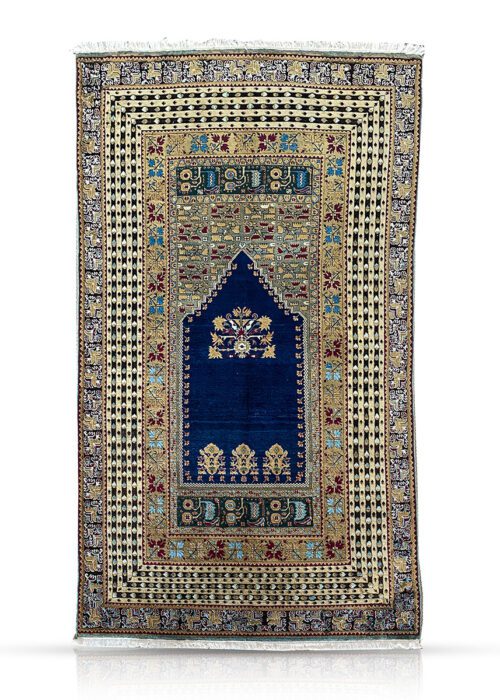 Agra, India. Early 1900’s This Agra rug showcases the elegant Jordi pattern with its intricate floral lattice and flowing vine motifs. Handwoven with fine wool and natural dyes in rich reds, blues, and creams, it embodies the refined Indo-Persian tradition, offering both beauty and lasting durability.
WE OFFER WORLDWIDE SHIPPING



OPERATING HOURS
Monday – Friday: 8:00am – 5:00pm
View by appointment
CONTACT US
Tel: +27 (11) 783 0701
Tel: +27 (11) 783 0706
Cell: +27 83 457 7458
Terms and Conditions
ADDRESS
7 Marion Street, Sandown,
Sandton, 2031, Johannesburg

© Copyright 2012 - 2026| Persian House International | All Rights Reserved | Powered by Yip Digital